

Blog · Guides
Math guides, worked examples and study tips
Math guides that explain each method the way a good teacher would — with real worked examples from our solver, the mistakes to avoid, and links to the calculator that practices each skill.
Showing all 12 guides
No guides in yet
New guides are added as students ask for them. Meanwhile, every published guide is one tap away.
Show all blogs
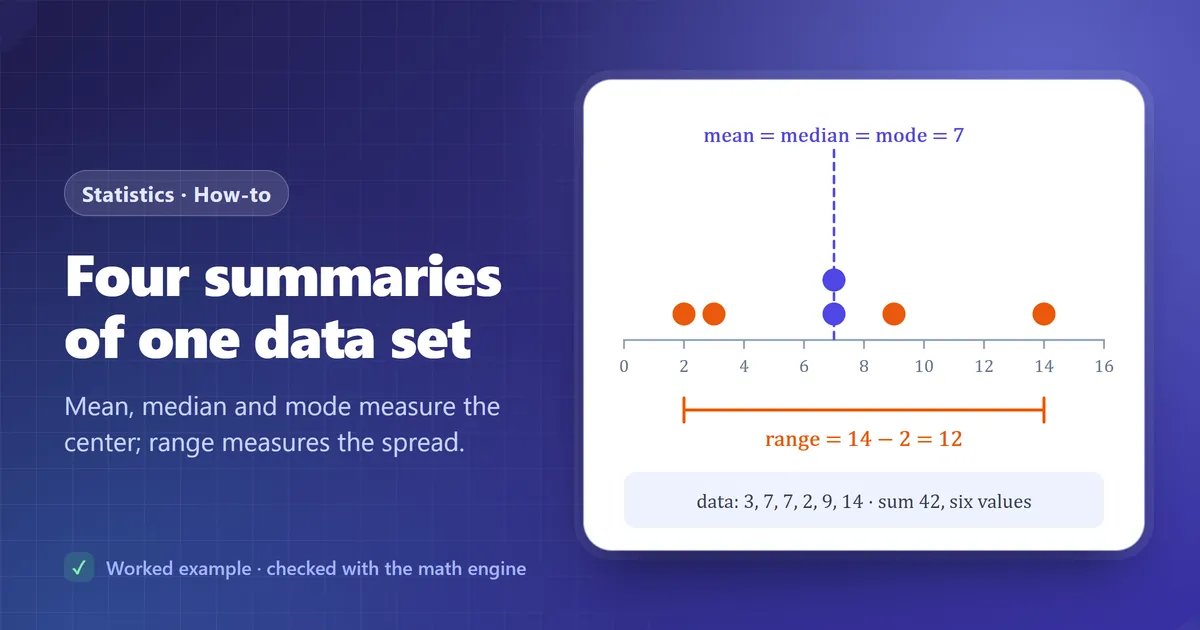
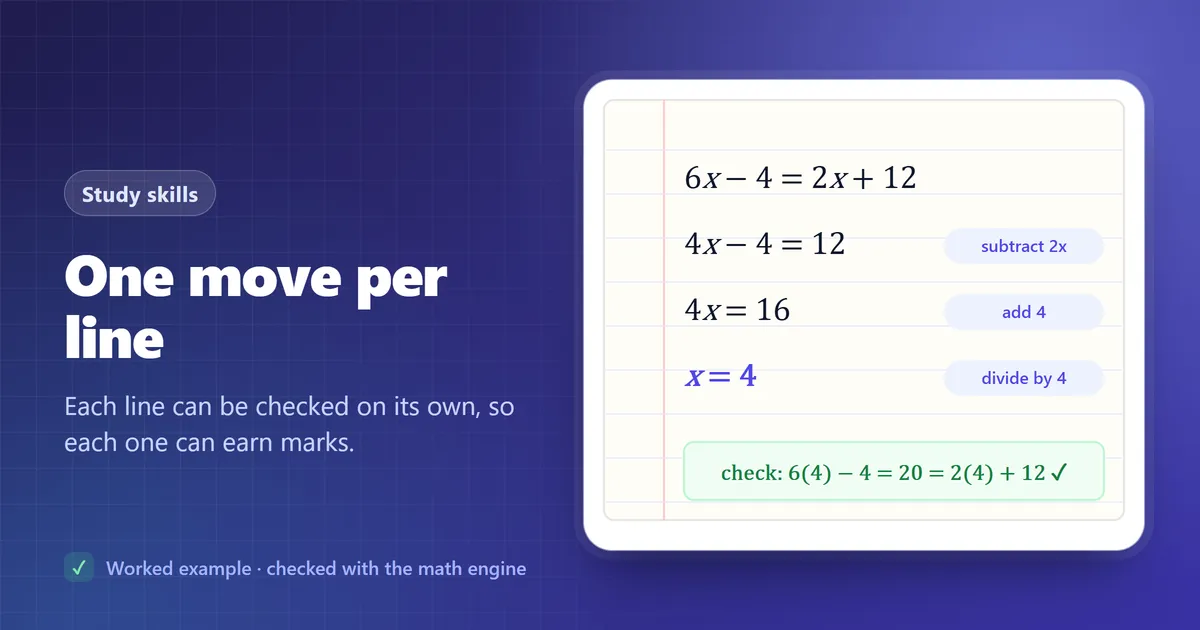
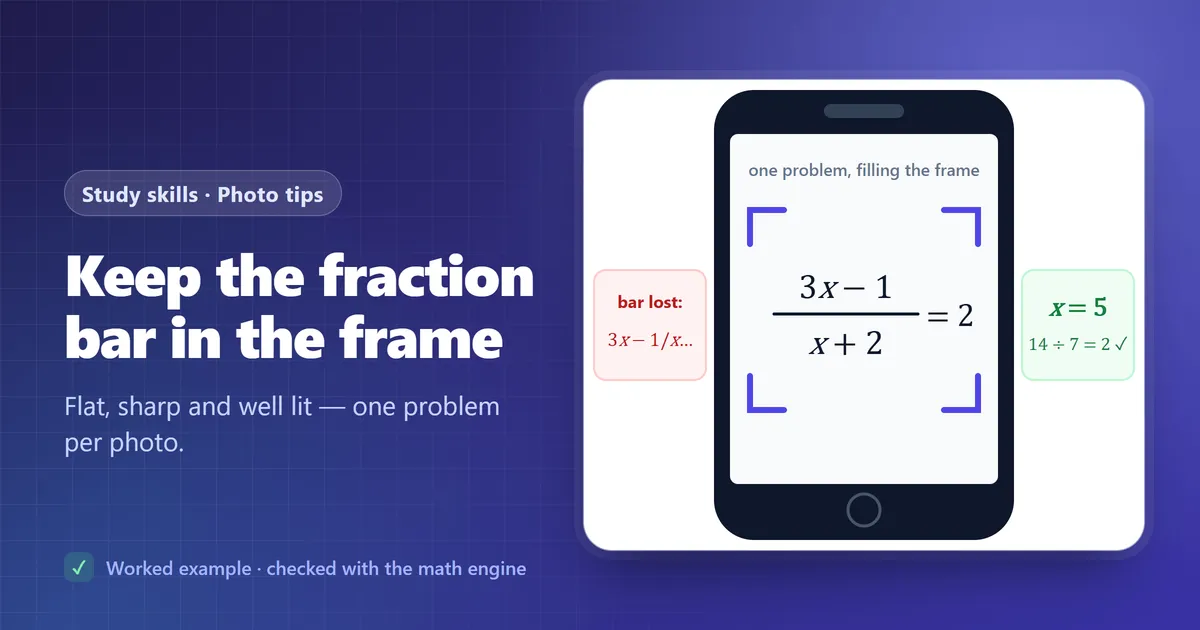
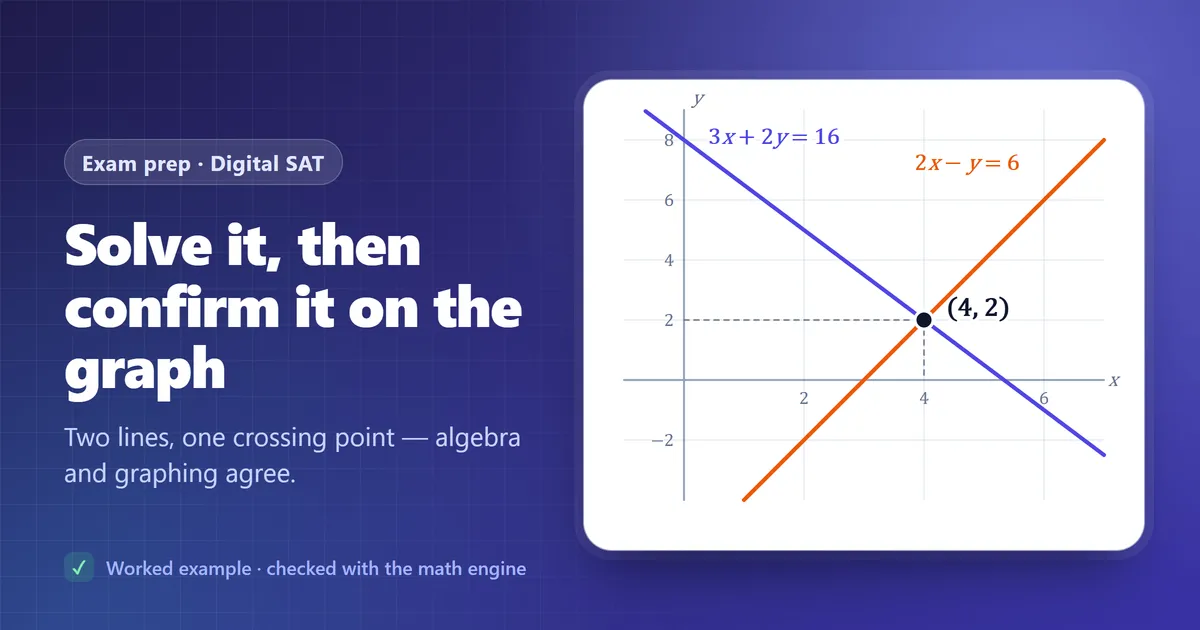
How to use this blog
Read the method, then make it yours
Every one of these math guides follows the same bargain: no hand-waving, and no answer without the working that earns it. The worked examples inside each post are not illustrations typed up to look right — they are the solver's own output, produced and checked before the post was published, so the steps you read are the steps the tool itself would give you. When a post shows a shortcut, it also shows the full method the shortcut stands on.
The fastest way to use a guide is in three passes
- Pass 1Predict the next lineFirst, read the method with the example covered and try to predict each next line before you reveal it; predicting is where the learning happens.
- Pass 2Solve it live, change one numberSecond, press “Solve it live” on an example and run it in the matching calculator, changing one number to see how the method bends without breaking.
- Pass 3Make one problem your ownThird, close the guide and solve one problem of your own from start to finish — homework, a past paper, anything real. If the third pass stalls, the guide's mistakes section usually names the exact step that went wrong.
Not sure where to start?
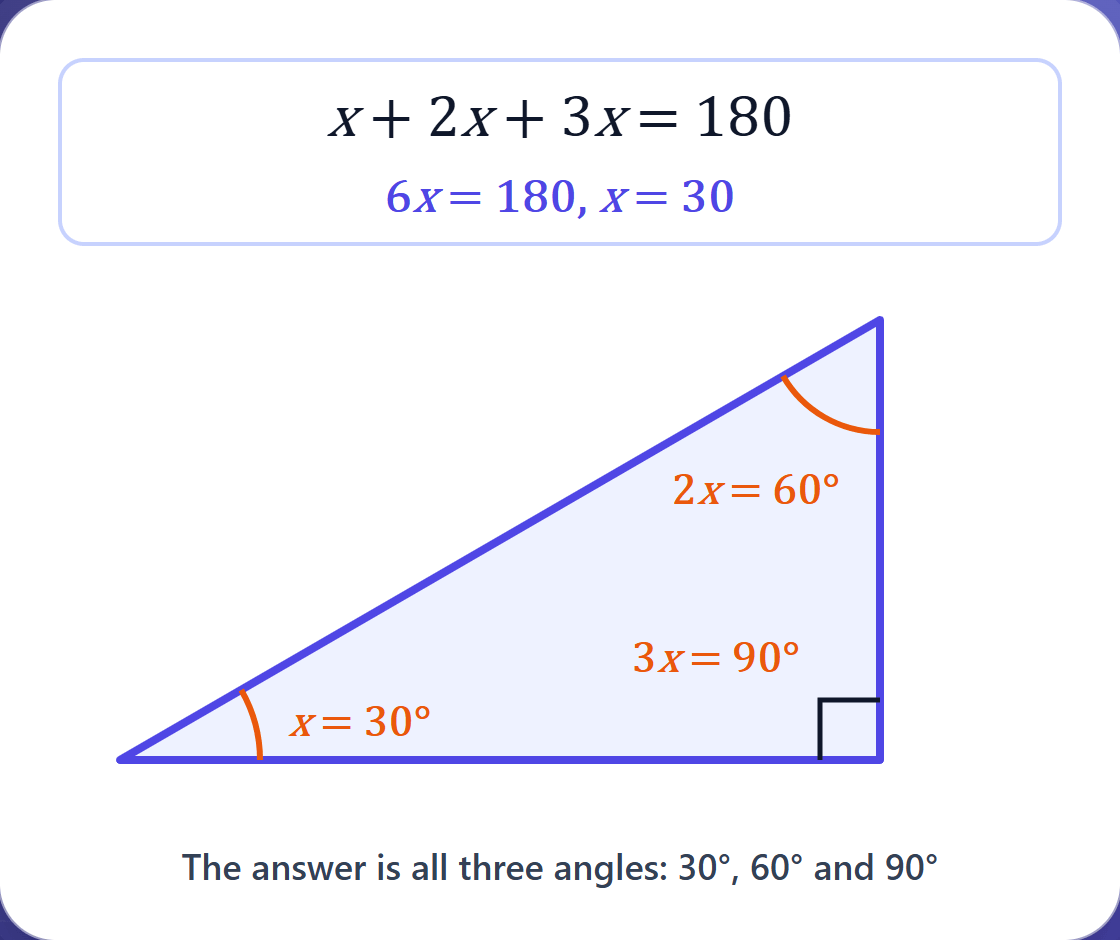
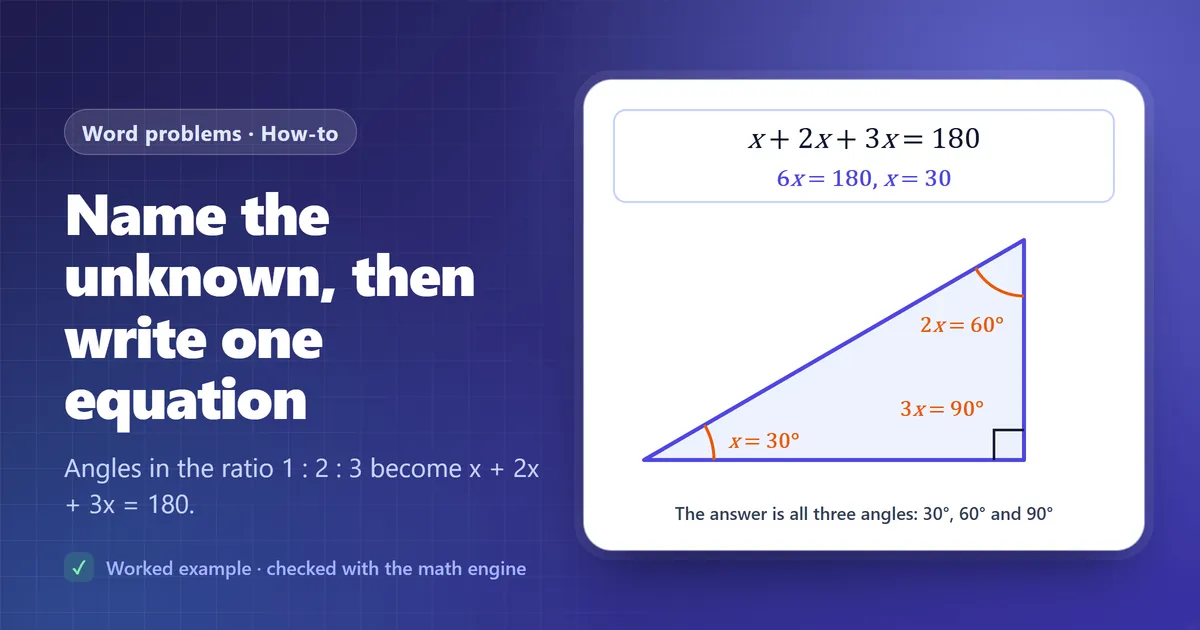
If word problems are the wall, begin with how to solve word problems.
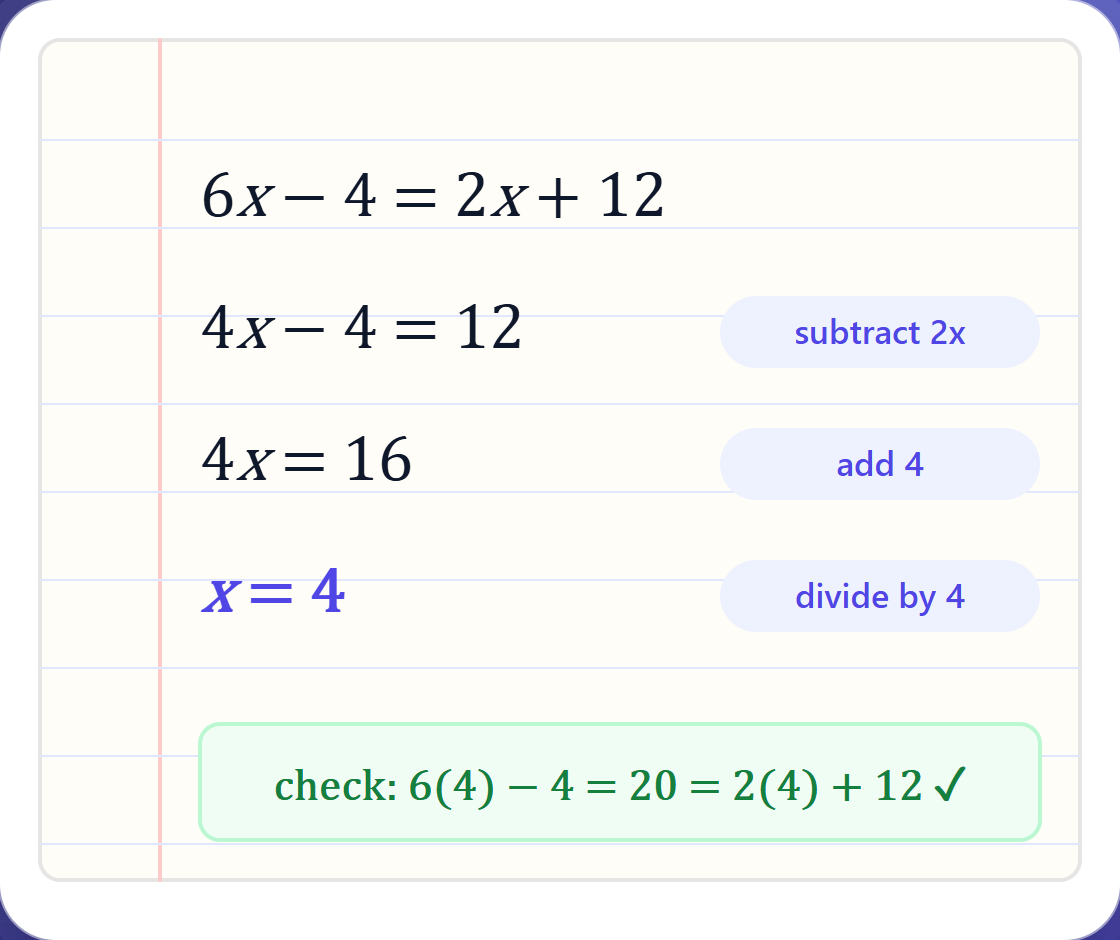
If your method is right but marks still leak away, read how to show your work in math.
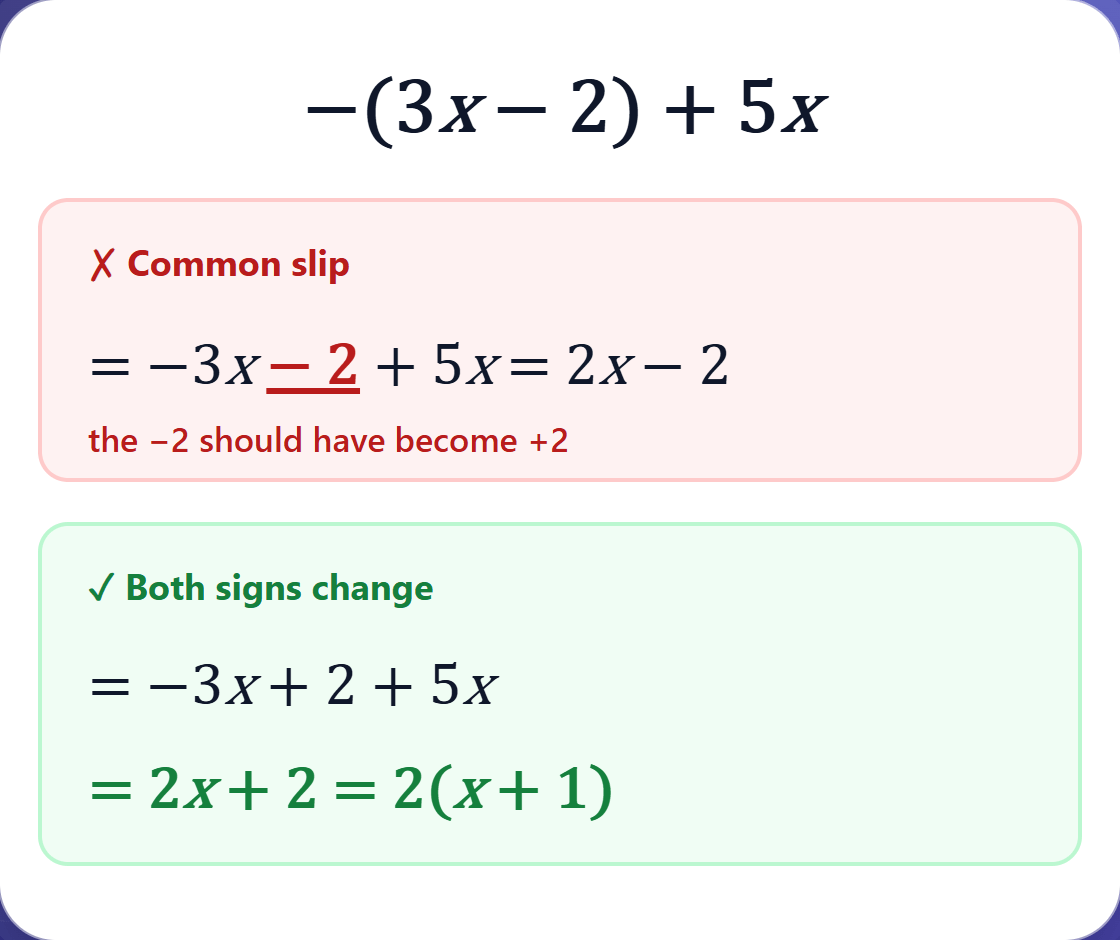
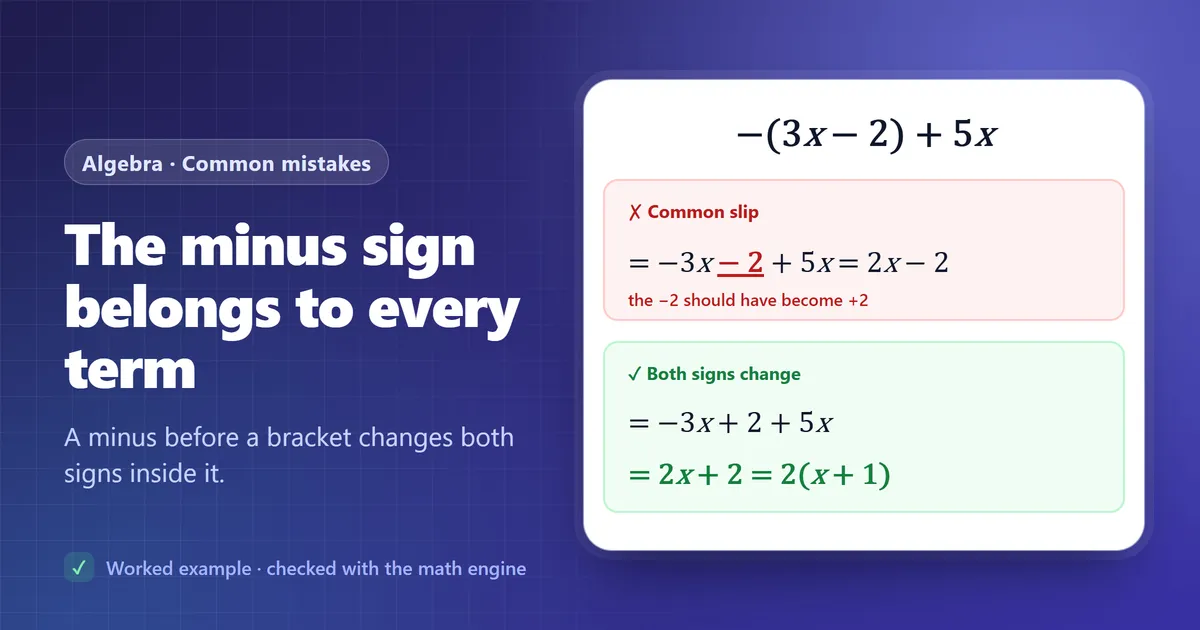
Then make sure the same slips stop costing you: read the common algebra mistakes.
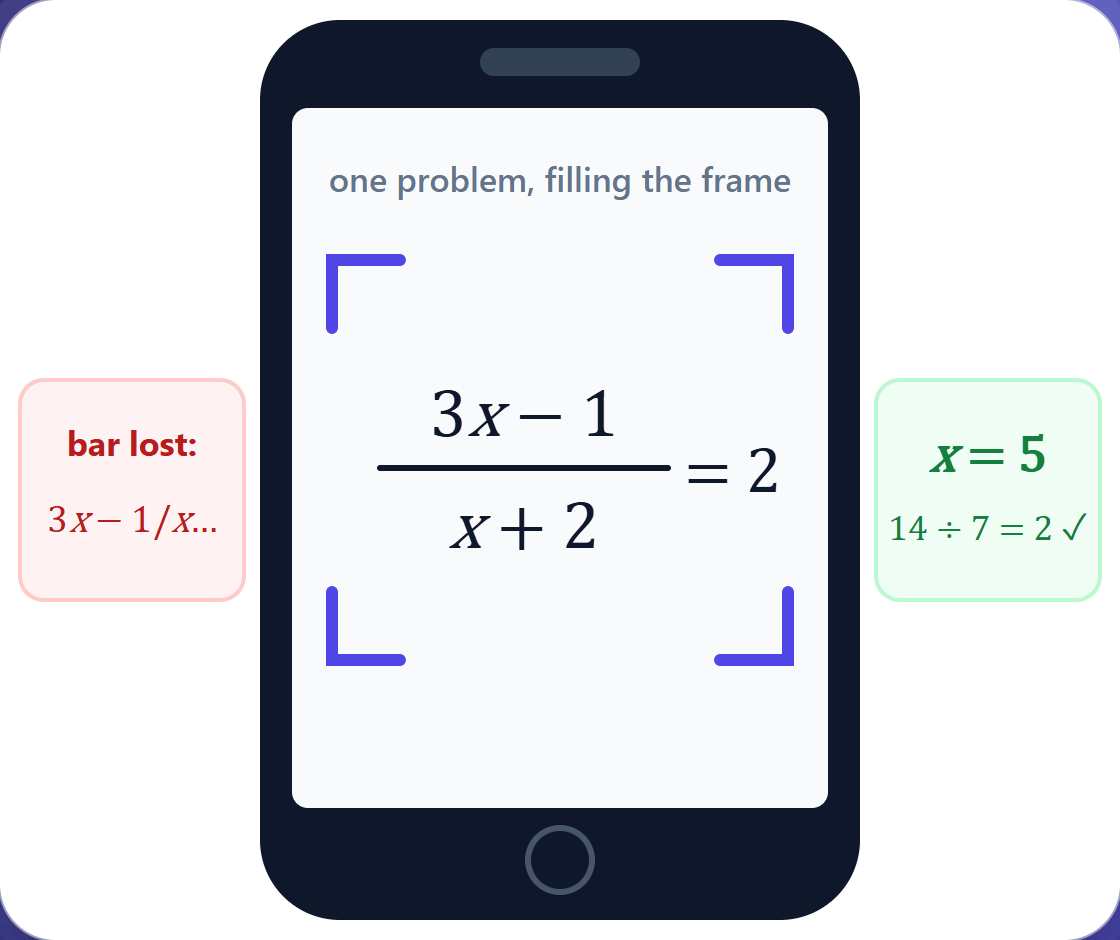
If you mostly meet math through a phone camera, the photo guide will save you several retakes.
New guides are added as students ask for them, and each one is held to the same standard: it has to make a real problem easier, not just describe one.
Exam season has its own shelf
The SAT Math tips post is about the test itself — pacing, the built-in graphing tool, and protecting the first module — while the exam pages carry the formats, topic weights and practice links for each exam. Read the tips for strategy, then drill the topics on the exam pages; the two were written to be used together, in that order, in the final weeks before a test date.
- SATDigital SAT format, timing, practice
- ACTPacing and the most-tested topics
- AP CalculusAB/BC units and free-response
Two deep guides
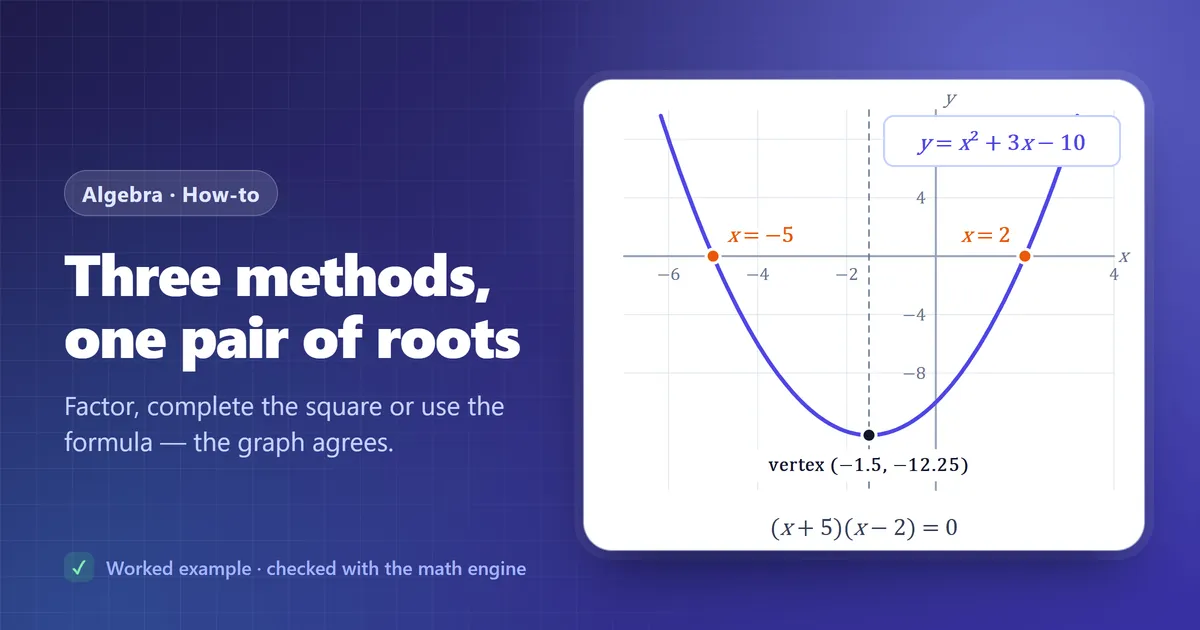
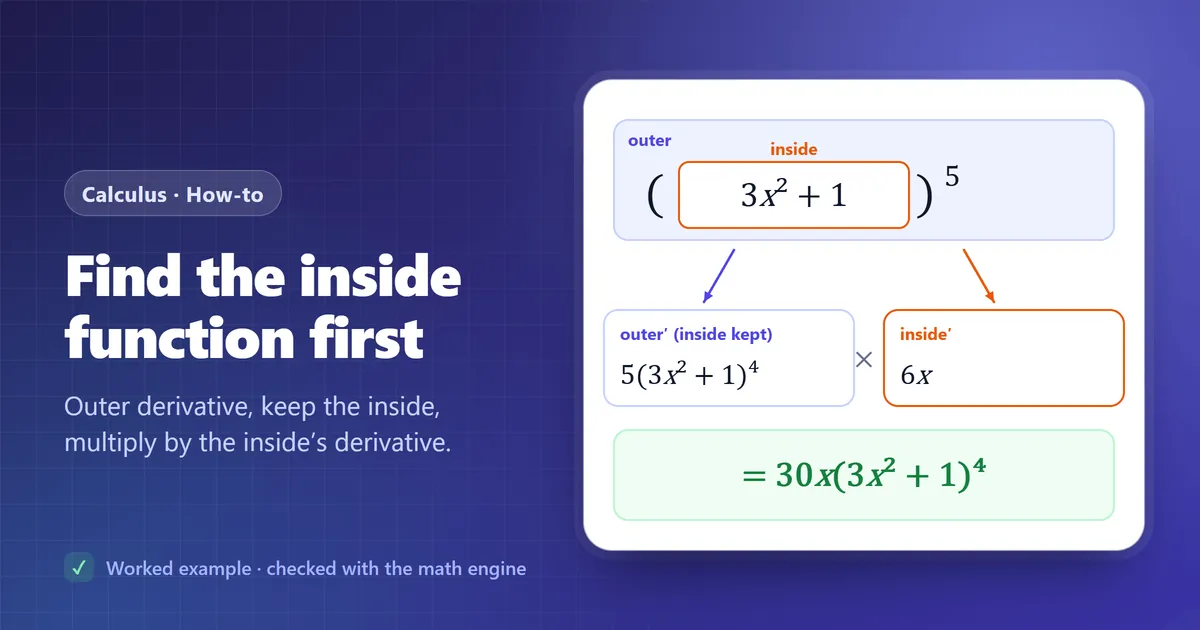
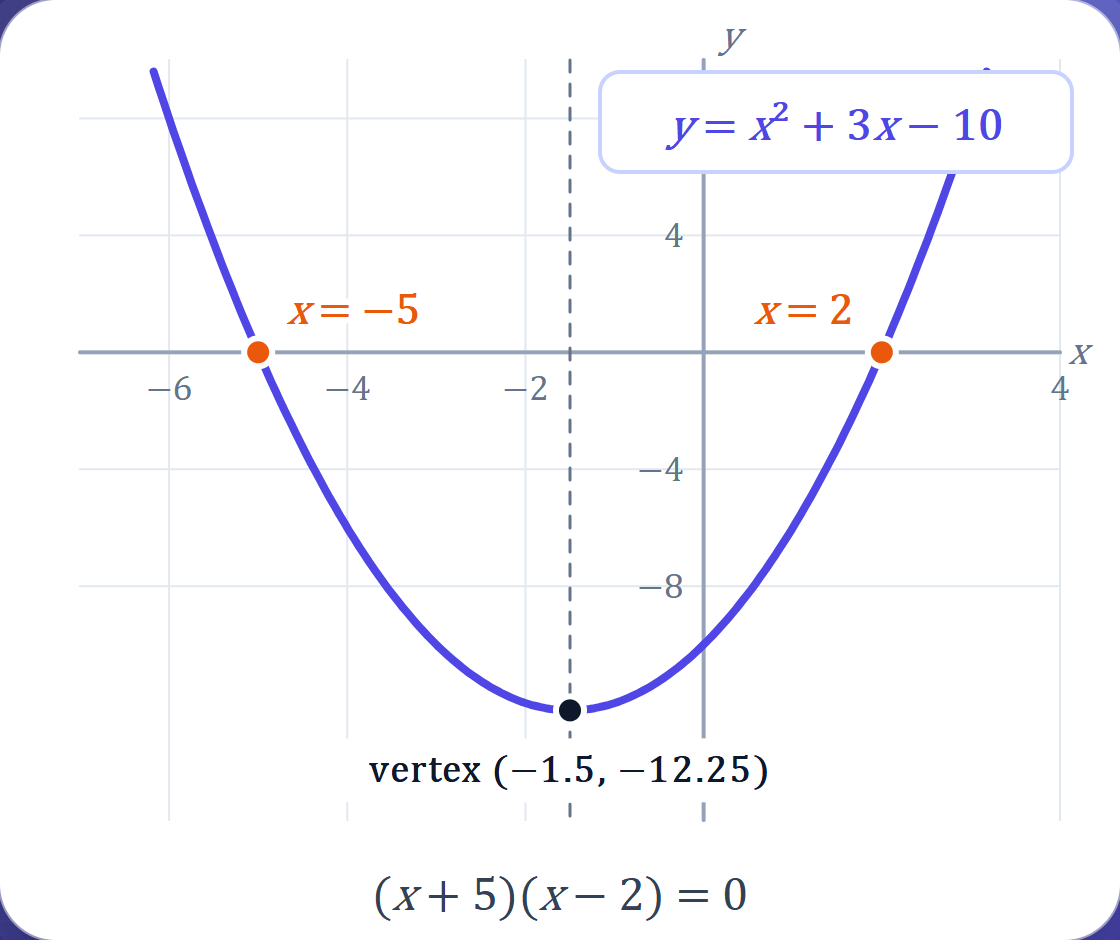
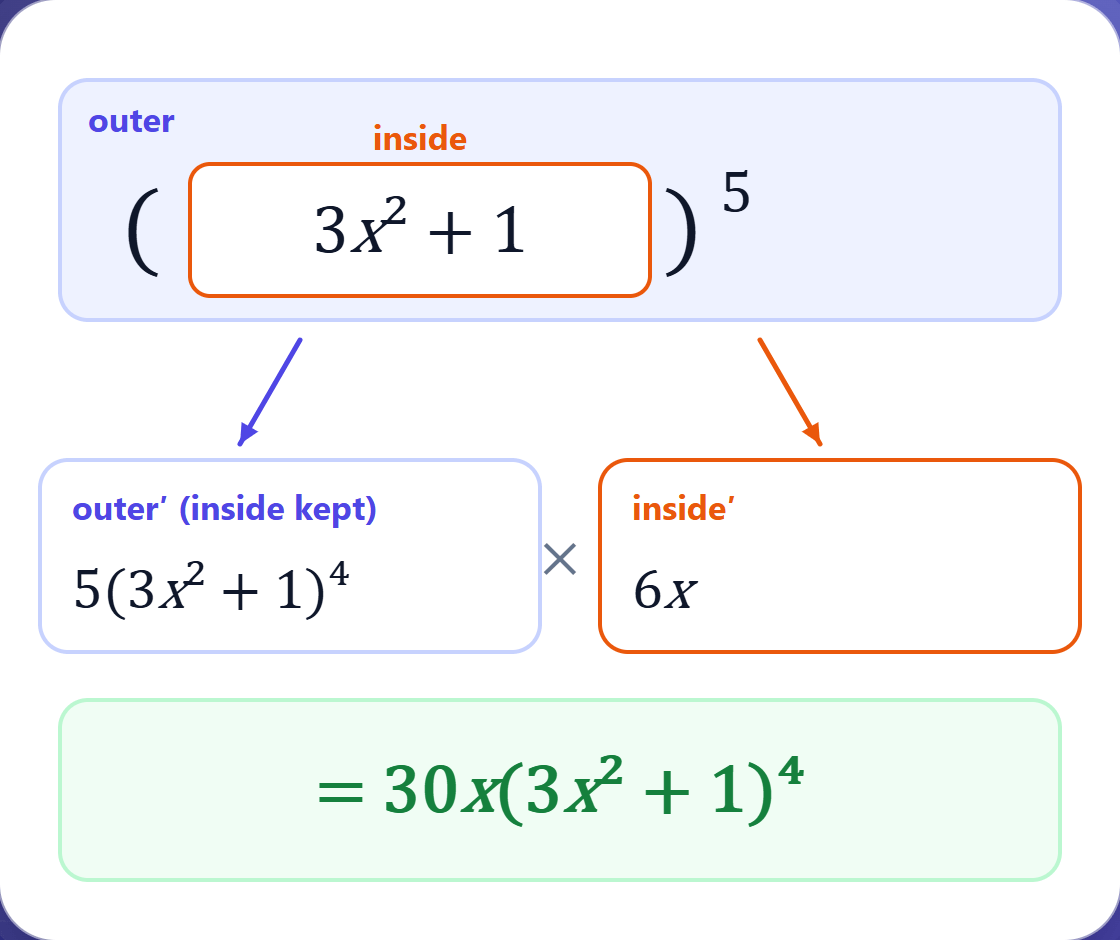
Two topics get asked about more than any others, so each has a deep guide of its own. Quadratics are covered from factoring to the formula, and the chain rule — the derivative rule students meet first and fear most — is built up from its pieces. Both end where every guide here ends: with a problem of yours, solved your way, checked line by line.
Longer guides
Math guides about solving with AI
- What is an AI math solver?What it is and what it can do
- Can AI solve math problems?What it handles and where it stops
- Are AI math solvers accurate?How to check any AI answer
- Is using AI cheating?School rules and smart use
- Google Lens for mathHow it works, tips and fixes
- How to use the solverTyping, photos, readings, steps
Reading about it is half the work
The other half is practice. Take the method from any guide and try it on your own problem.